Why Natural Intimacy Support for Women Matters at Every Stage
For years, I assumed that if something was wrong with my body, the answer had to come from a prescription pad. That changed when I started paying attention to how my energy, mood, and comfort shifted across my cycle and into perimenopause. The more I learned, the more I realized that the most sustainable support often comes from the ground up: from the foods we eat, the plants we turn to, and the daily habits we build.
One area where this shift has been especially powerful is intimate wellness. It is a topic many of us don't discuss openly, yet it affects how we feel in our relationships, our confidence, and our sense of self. That is why I want to share what I have discovered about natural intimacy support for women, and why it deserves a place in your wellness routine long before problems start.
The Body's Own Intelligence
Our bodies are designed to maintain balance. But that balance can be thrown off by stress, diet changes, hormonal shifts, and even the products we use. When the vaginal microbiome is healthy, it is dominated by lactobacillus species that produce lactic acid, keeping the pH low and unfriendly to pathogens. When that balance tips, common issues like vaginal dryness, recurrent urinary tract infections, and general discomfort can appear.
This is where a non-hormonal supplement can make a real difference. Instead of overriding the body's signals with synthetic hormones, these products work with the body's existing pathways. Ingredients like cranberry extract, for instance, help prevent bacteria from adhering to the urinary tract lining, which reduces the risk of UTIs without disrupting the microbiome. Probiotics, especially those containing targeted lactobacillus strains, can also help restore and maintain a healthy vaginal flora.
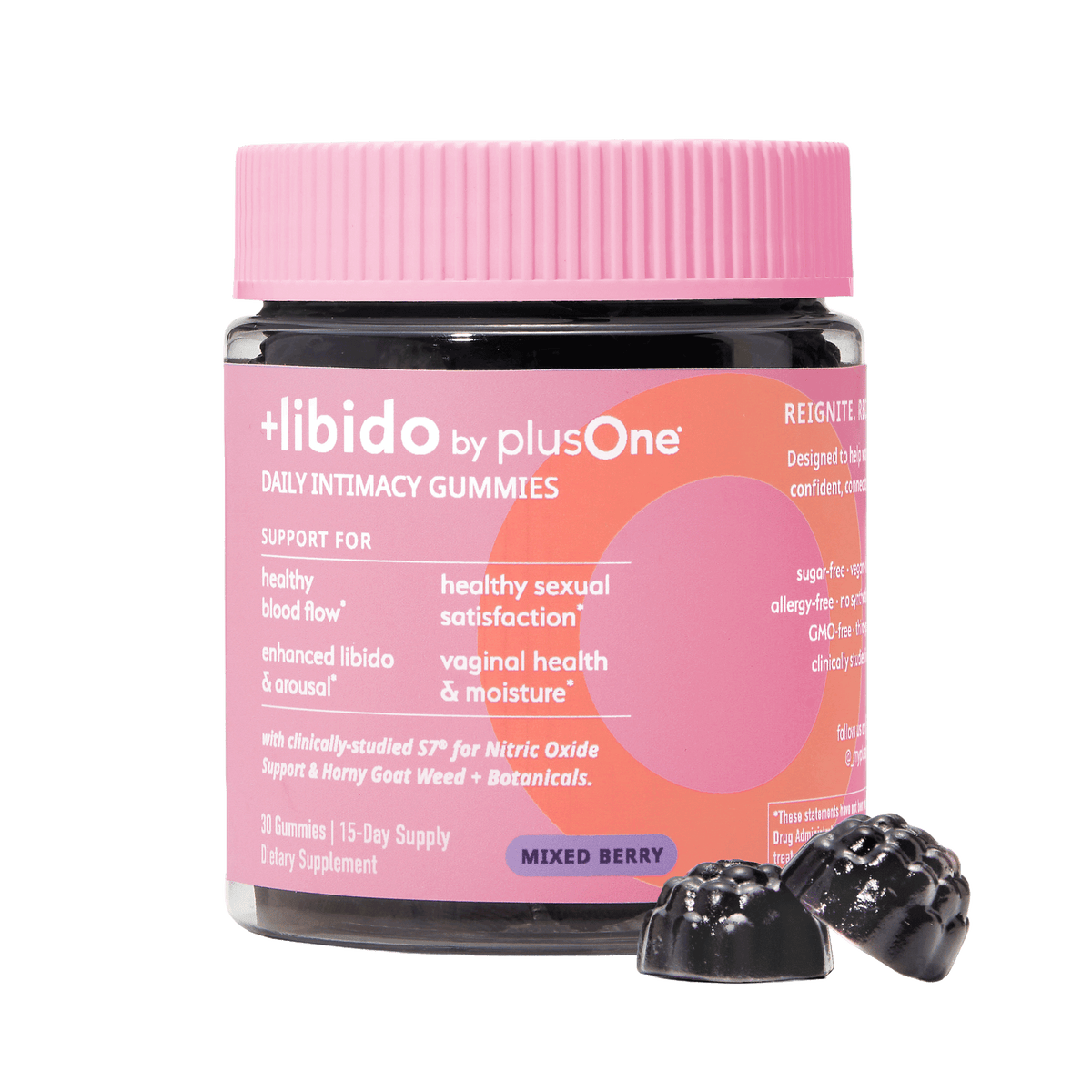
The Role of Key Nutrients and Botanicals
One of the most common questions I hear is what to take for ongoing intimate wellness. The answer is not a single magic ingredient but a combination of nutrients that support different aspects of hormone balance and tissue health.
Vitamin D is essential for immune function and has been linked to healthy estrogen levels. Magnesium supports sleep support and helps the body manage stress, which indirectly benefits hormone balance. Ashwagandha, an adaptogenic herb, is known for its ability to lower cortisol, the stress hormone that can throw progesterone and estrogen out of sync. When cortisol is high, progesterone often drops, and that shift can worsen symptoms of perimenopause and menopause.
Phytoestrogens, found in foods like flaxseeds and soy, are plant compounds that weakly mimic estrogen in the body. They can be particularly helpful during perimenopause when natural estrogen production becomes erratic. Some women also turn to seed cycling, a practice of eating different seeds during different phases of the menstrual cycle, to support hormone balance naturally. While research on seed cycling is limited, many women report better cycle regularity and fewer hot flashes when they try it.
Another compound that sometimes comes up in conversation is DHEA. This is a hormone precursor that the body naturally produces, but levels decline with age. Topical DHEA has been studied for its effects on vaginal dryness and overall intimate comfort, though it is not right for everyone. It is worth discussing with a healthcare provider if you are considering it.
When Hormones Shift: Perimenopause and Menopause
Perimenopause can start in your late thirties or early forties, even if your periods are still regular. During this time, estrogen levels begin to fluctuate, and progesterone declines more steadily. These changes can lead to vaginal dryness, thinning of vaginal tissues, and a higher risk of urinary tract infections. Many women also notice changes in libido and overall intimate comfort.
Natural intimacy support for women during this stage often involves a combination of dietary adjustments, supplements, and lifestyle practices. For example, increasing intake of phytoestrogens through foods like tofu, chickpeas, and oats can help buffer the drop in estrogen. Magnesium and vitamin D are crucial for sleep and mood, which in turn affect desire and connection. And for those who want direct support for vaginal tissue, a non-hormonal supplement containing ingredients like macafem, a fermented maca root extract, has been studied for its ability to support healthy estrogen metabolism without introducing synthetic hormones.
Macafem is not a hormone itself, but it works by nourishing the endocrine system. It contains compounds that help the pituitary gland communicate more effectively with the ovaries, encouraging the body to produce its own hormones in a balanced way. This is a gentler approach than hormone replacement therapy, and it avoids many of the side effects associated with synthetic hormones.
Practical Steps Beyond Supplements
Supplements are only one piece of the puzzle. The way we live day to day has a huge impact on intimate wellness. Here are a few things I have found helpful:
- Stay hydrated. Water supports all mucous membranes, including vaginal tissues. Dehydration can worsen vaginal dryness.
- Choose gentle, fragrance-free products for bathing and laundry. Harsh chemicals can disrupt the vaginal microbiome and trigger irritation.
- Practice stress management. High cortisol levels can suppress progesterone and throw off the entire hormonal cascade. Even ten minutes of deep breathing or a short walk can help.
- Get enough sleep. Sleep support is critical for hormone production. Magnesium and a consistent bedtime routine can make a big difference.
These habits may sound simple, but they are foundational. When combined with targeted supplements, they create a foundation that supports the body through every stage of life.
Listening to Your Body
One of the most important lessons I have learned is that there is no one-size-fits-all answer. What works for one woman may not work for another. That is why I encourage women to track their symptoms and pay attention to how they feel after making changes. For example, if you start taking a probiotic with lactobacillus and notice fewer UTIs and less discomfort, that is a good sign. If you try a new supplement and feel bloated or off, it may not be the right fit for your body.
I have also seen women benefit from rotating their supplements or taking breaks to see how their body responds. This is especially true for adaptogens like ashwagandha, which can be taken for a few months and then paused. The body can become accustomed to them, and cycling them can maintain their effectiveness.
Another area where listening matters is around intimacy itself. Natural intimacy support for women is not just about physical comfort; it is also about emotional safety, connection, and desire. When we feel good in our bodies, we are more likely to feel open and present with our partners. That connection, in turn, supports our overall well-being.

A Final Thought
I wish more women knew that they do not have to accept discomfort as a normal part of aging or hormonal change. There are real, effective options that do not involve synthetic hormones or harsh treatments. By focusing on the body's natural rhythms and providing it with the nutrients it needs, we can support intimate wellness in a way that feels both gentle and powerful.
Whether you are navigating perimenopause, dealing with recurrent UTIs, or simply want to maintain the health you have now, the principles are the same: nourish your body, manage stress, get good sleep, and choose supplements that work with your biology, not against it. That is the essence of natural intimacy support for women, and it is something every woman deserves to explore.